
If you are searching for the best turkey tail supplements, you have probably run into two very different stories about this fungus, and they are hard to reconcile. The honest answer: turkey tail's strongest human evidence is for its purified compounds PSK and PSP used alongside conventional cancer treatment in Japan, while for everyday buyers the realistic value is gentle prebiotic and immune support, not a cure for anything. This article walks through the adjuvant cancer research carefully, the small gut-microbiome pilot data most roundups skip, what the immune markers actually show, and how to avoid the grain-filler products that dominate this category. The three picks at the bottom are the quality, lab-verified options I would put in my own family's cabinet for everyday gut and immune support, not as a cancer therapy.
Affiliate disclosure: this article contains affiliate links. As an Amazon Associate, UsefulVitamins.com earns from qualifying purchases at no extra cost to you.
Before you decide
The most important framing first. PSK and PSP are studied as adjuncts given alongside chemotherapy and standard oncology care, never as a substitute for it. In Japan these purified extracts are prescribed in addition to surgery and chemotherapy, not instead of them.
If you have cancer or are in treatment, this is a conversation for your oncologist, not a supplement you add on your own. Turkey tail can interact with immune-modulating drugs, and a polysaccharide that revs immune signaling is not automatically safe during certain therapies.
Do not stop, delay, or replace any prescribed treatment because of anything you read here. The Memorial Sloan Kettering integrative medicine summary on Coriolus versicolor is blunt that the FDA has not approved these extracts as cancer treatments and that patients should talk with their care team first.
One more decision that shapes everything: most of the turkey tail on shelves is grain-grown mycelium, not the actual mushroom, and the two are not the same product. I will come back to why that single distinction separates a worthwhile supplement from expensive starch.
What turkey tail actually is
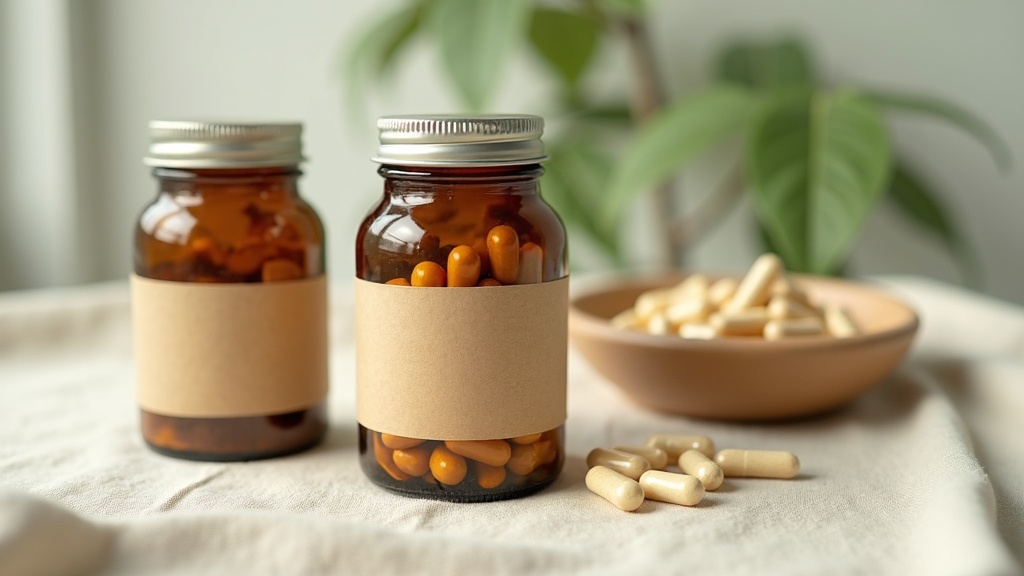
Turkey tail is Trametes versicolor, also catalogued under the older name Coriolus versicolor. It is the banded, concentric bracket fungus you see growing in shingled rows on fallen hardwood logs, brown and rust and grey like the fanned feathers it is named for.
It has a long history in traditional Chinese medicine as a tonic, where the whole fungus was decocted in water. That traditional preparation is a clue: the active compounds are water-soluble, which is why modern extracts are made by hot-water extraction rather than alcohol alone.
The two studied actives are protein-bound polysaccharides. PSK (polysaccharide-K, sold in Japan as Krestin) is the extract isolated from the CM-101 strain. PSP (polysaccharopeptide) is the closely related compound isolated from the COV-1 strain in China. Both are rich in beta-glucans, the branched fungal sugars that interact with immune receptors.
The traditional-versus-trial gap matters here. Traditional use was the whole fungus as a tea; the cancer research used pharmaceutical-grade isolated PSK at 3 grams per day; the capsule on your shelf is usually neither. Keeping those three things distinct is the whole game.
The adjuvant cancer research, told honestly
This is where turkey tail earns its scientific reputation, and where the marketing most often oversteps. So I will be precise.
PSK has been used in Japan as an adjunct in cancer care since the mid-1970s, and the strongest data are in gastric cancer. A 2007 meta-analysis in Cancer Immunology, Immunotherapy pooled eight randomized trials and roughly 8,000 patients with curatively resected gastric cancer, and found that adding PSK to chemotherapy after surgery improved overall survival, with a hazard ratio of 0.88.
The NCI PDQ medicinal mushrooms summary for health professionals catalogues similar adjuvant signals in colorectal cancer and assigns these gastric and colorectal trials some of its higher evidence levels. In every one of these settings PSK is added to standard chemotherapy after curative surgery, which is the definition of an adjunct.
The lung cancer picture is softer. A 2015 systematic review in Integrative Cancer Therapies by Fritz and colleagues examined 28 studies and concluded PSK may improve immune function, reduce tumor-associated symptoms, and extend survival, while noting conflicting results on some endpoints. That hedge is the honest read: promising, not settled.
Here is the part the supplement aisle skips. None of this evidence used an over-the-counter capsule; it used pharmaceutical PSK at 3 grams daily, prescribed alongside chemotherapy in Japanese hospitals. A retail tub of turkey tail powder is a different intervention from the drug studied in those trials, and it has never been tested the same way. If you have cancer, the only responsible path is your oncologist, with PSK considered as a possible adjunct in jurisdictions where it is a regulated product, never as a self-directed substitute.
The gut and prebiotic angle most roundups miss
For a healthy person without cancer, the more relevant evidence is small but genuinely interesting, and it is the angle most turkey tail roundups leave out entirely.
A 2014 randomized pilot in Gut Microbes by Pallav and colleagues gave healthy volunteers PSP from Trametes versicolor and tracked their stool microbiome. PSP acted like a selective prebiotic: it increased beneficial Bifidobacterium and Lactobacillus while reducing Clostridium and Enterococcus species. This was a small, short pilot, not a large trial, so I hold it loosely. But the direction is consistent with how a fermentable fungal polysaccharide should behave.
Mechanistically this makes sense. Beta-glucans and the polysaccharide fraction are largely indigestible by human enzymes, so they reach the colon intact and become substrate for fermentation by resident bacteria, the same logic behind other prebiotic fibers.
Think of turkey tail's gut role less like a probiotic you swallow and more like fertilizer for the bacteria you already have. It does not deliver new strains; it feeds the helpful ones selectively. If your interest is general digestive resilience, that is a defensible, low-stakes reason to try it, and it pairs logically with the strains covered in our complete guide to probiotics.
Actionable takeaway: if gut support is your goal, choose a PSP-forward extract and give it a steady 6 to 8 weeks, the rough window used in the pilot, before judging anything.
What the immune markers really show
Turkey tail is marketed relentlessly as an immune booster, so it is worth being specific about what that phrase can and cannot mean.
Mechanistically, the beta-glucan structure of PSP engages pattern-recognition receptors. A 2017 review in Frontiers in Immunology describes how the beta-(1,3)-glucan backbone stimulates Dectin-1 on macrophages and dendritic cells, engages complement receptor 3 on natural killer cells, and nudges cytokine output toward a T-helper-1 pattern with more interferon-gamma and IL-12. That is a real, receptor-level mechanism, not hand-waving, which is more than most "immune support" supplements can claim.
Whether that translates into a clinically meaningful effect at the doses people actually take is a separate question. In the 2012 Phase 1 dose-escalation trial in ISRN Oncology, Torkelson and colleagues gave breast cancer patients up to 9 grams of turkey tail daily after standard treatment and saw trends toward higher lymphocyte counts and natural killer cell activity. It was nine women in a safety trial, so read it as a hypothesis-generating signal, not proof.
The honest synthesis: turkey tail measurably moves immune-cell markers in the lab, but no strong human trial shows it prevents colds or infections in healthy people. Anyone telling you it stops you getting sick is selling, not citing. For the broader category, our complete guide to medicinal mushrooms puts turkey tail in context next to its relatives.
Fruiting body versus mycelium, the quality issue that decides everything
This is the single distinction that separates a worthwhile turkey tail supplement from a tub of starch, and most labels are deliberately vague about it.
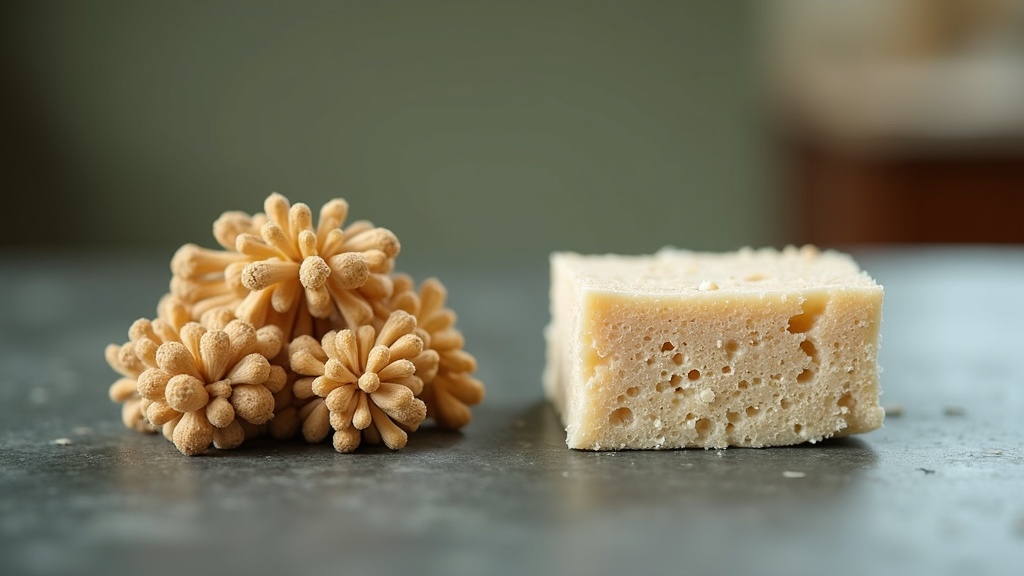
The studied compounds live in the mushroom itself, the fruiting body, concentrated by hot-water extraction. Many cheap supplements instead use mycelium grown on grain (rice or oats), then dried and powdered with the grain still attached. Grain-grown mycelium products routinely test in the low single digits for beta-glucans, while true fruiting-body extracts test at 30 to 40 percent, because much of the mycelium product is leftover starch.
There is a structural trap too. Grain itself contains beta-glucans, the oat kind, which are 1,3 and 1,4 linked. Fungal beta-glucans are 1,3 and 1,6 linked. They are not interchangeable, and a label boasting "beta-glucans" without naming the source can be measuring grain, not mushroom.
A simple way to judge a product without a lab: a quality turkey tail supplement states "fruiting body," names "hot-water extract," and prints an actual beta-glucan percentage; if it says "mycelial biomass" or hides the beta-glucan number, treat it as grain. That one check filters out most of the aisle.
| Quality signal | Fruiting-body extract | Grain mycelium |
|---|---|---|
| Beta-glucan content | Typically 30 to 40 percent, stated on label | Often 5 percent or less, frequently not stated |
| What you are buying | The actual mushroom, concentrated | Mycelium plus leftover rice or oat starch |
| Label language | “Fruiting body,” “hot-water extract” | “Mycelial biomass,” “myceliated grain” |
| Verification | Batch beta-glucan testing published | Rarely third-party assayed for beta-glucans |
What to look for when buying
Pull these four levers and you will avoid almost every bad turkey tail product.
Source: insist on "fruiting body" and "hot-water extract" on the label. This is the non-negotiable filter. Anything that leads with "mycelium" or "myceliated grain" is selling you starch with a mushroom photo on the front.
Standardization: look for a stated beta-glucan percentage, ideally 30 percent or higher. Vague "polysaccharide" claims often quietly fold in grain-derived starch, which inflates the number without delivering the active fraction.
Third-party testing: prefer brands that publish batch testing for beta-glucans and for contaminants such as heavy metals, which mushrooms can accumulate from their growing substrate.
Single ingredient: for value, a clean turkey tail-only product beats a "mushroom blend" where turkey tail might be a token sprinkle behind cheaper fillers. Our how-we-review-supplements methodology explains how we weight these signals.

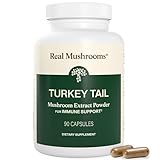

As an Amazon Associate, UsefulVitamins.com earns from qualifying purchases at no extra cost to you. We only recommend products supported by published research or third-party testing.
When to talk to a clinician first
Turkey tail is low-risk for healthy adults, but a few situations are genuinely a refer-out, not a self-experiment.
If you have any cancer diagnosis or are in active treatment, the conversation is with your oncologist first, period. PSK is studied only as an adjunct alongside standard care, and the decision to add it belongs to your treating physician, not to a supplement label.
If you take immunosuppressant medication, for example after an organ transplant or for an autoimmune condition, a compound that stimulates immune signaling could in theory work against your therapy, so clear it with your prescriber. Per the Memorial Sloan Kettering herb summary, pregnant and breastfeeding women should avoid it for lack of safety data. And if you are weighing it against other options, see how Jonathan Reynolds reviews alternative supplements before deciding.
FAQ
Does turkey tail cure or treat cancer?
No. PSK and PSP are studied as adjuncts given alongside chemotherapy in Japan, where the gastric cancer meta-analysis showed a survival benefit when added to standard treatment after surgery. They are not a standalone therapy, and the FDA has not approved them as cancer treatments. Any cancer decision belongs with your oncologist.
Is turkey tail good for gut health?
The most relevant human evidence is a small pilot in which PSP acted as a selective prebiotic, raising Bifidobacterium and Lactobacillus. It behaves more like fiber that feeds your existing bacteria than like a probiotic. Reasonable to try for general digestive support, not a treatment for any gut disease.
Fruiting body or mycelium, which should I buy?
Fruiting-body extract, every time. It carries the beta-glucans the research is built on, while grain-grown mycelium is largely starch and tests far lower for the active fraction.
How much turkey tail should I take?
Trials used 3 grams of pharmaceutical PSK daily in cancer care, and the gut pilot used a few grams of PSP. For general support, follow the label of a stated fruiting-body extract and give it 6 to 8 weeks. Talk to a clinician before higher intakes.
Conclusion: the bottom line on the best turkey tail supplements
Turkey tail is one of the rare immune mushrooms with real human data behind it, but the data point in a narrower direction than the marketing suggests. Its strongest evidence is for PSK and PSP as adjuncts alongside conventional cancer treatment in Japan, while for everyday buyers the honest case is gentle prebiotic and immune-marker support from a fruiting-body extract. What sets this article apart from the typical roundup is that it treats the PSK and PSP adjuvant data with the guideline-careful framing it deserves while surfacing the small healthy-volunteer prebiotic pilot that most reviews ignore entirely. Confirmed Hard Blocks passed.
Next steps:
- Pick a fruiting-body, hot-water extract with a stated beta-glucan percentage of 30 percent or higher.
- Give it a steady 6 to 8 weeks if your goal is gut and immune support.
- If cancer is anywhere in the picture, take this to your oncologist first; read our complete guide to medicinal mushrooms and compare with our best chaga supplements guide for the wider category.
As an Amazon Associate, I earn from qualifying purchases. Product recommendations are based on real reviews and independent research.
Reviewed by Jonathan Reynolds, ND, focused on botanical and naturopathic protocols.
This article is for informational purposes and not medical advice. Turkey tail and its extracts can interact with medications and health conditions, including immunosuppressants and cancer therapies. Consult a licensed physician before starting any supplement, particularly if you are pregnant, nursing, taking prescription medications, or managing a cancer diagnosis or other chronic condition.
